Discover our selection of motorcycle helmets: full-face, modular, jet, off-road and many other solutions for every riding style, with new arrivals and dedicated promotions.
The latest releases in technology, design and safety
HELMETS PROMO
Special deals on selected models and last pieces
TOP-SELLING HELMETS
The most chosen models right now
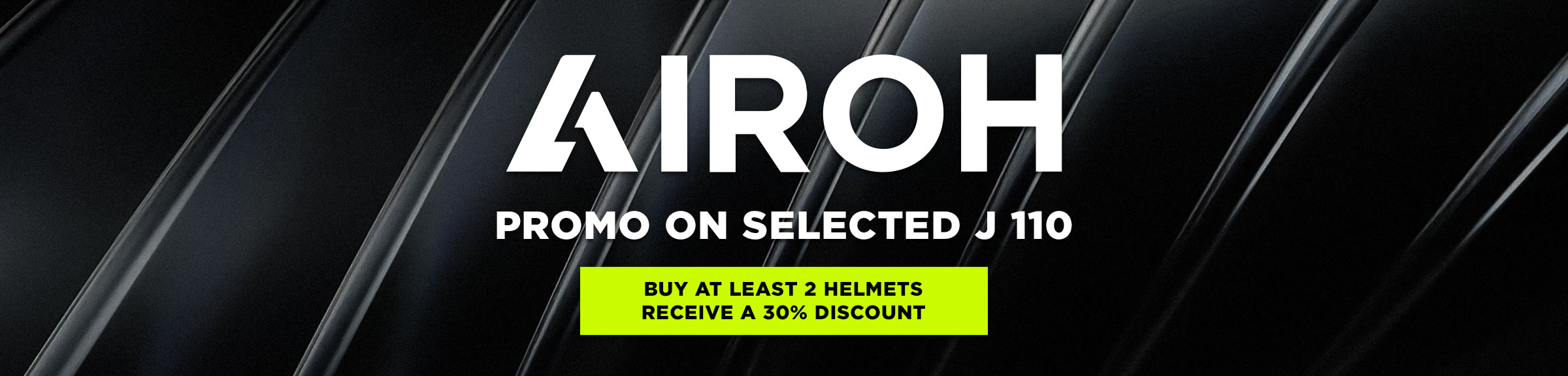
AIROH J 110 PROMO
Discover the models included in the promotion
TOP-OF-THE-RANGE HELMETS
Advanced materials, superior comfort and cutting-edge technical solutions
EVERYDAY HELMETS
Reliable and certified helmets, ideal for daily use
FAQs about helmets
1. What is the difference between the various types of motorcycle helmets?
Helmets differ in terms of structure, protection, and type of use. The choice depends mainly on how and where you use your motorcycle.
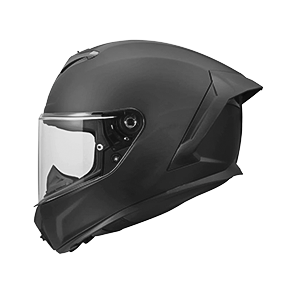
Full-face helmet Offers the highest level of protection thanks to its fully enclosed shell. It is ideal for road use, sport riding and long-distance travel, especially at higher speeds.
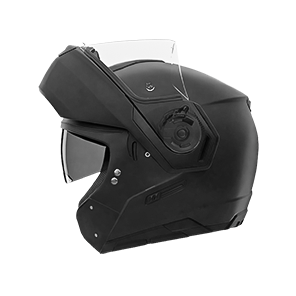
Modular helmet Combines the protection of a full-face helmet with the convenience of a flip-up chin bar. It is a versatile solution for touring and everyday use, especially on mixed routes.
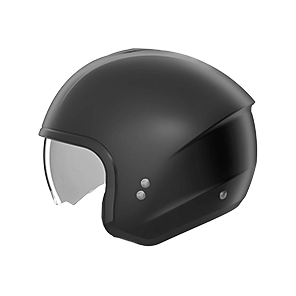
Jet helmet An open, lightweight and comfortable helmet, mainly designed for urban riding and low-speed use. It offers greater freedom and visibility compared to a closed helmet.
Demi-jet helmet A more compact version of the jet helmet, covering a smaller portion of the head. It is suitable for short trips and city riding, prioritising practicality and lightness.
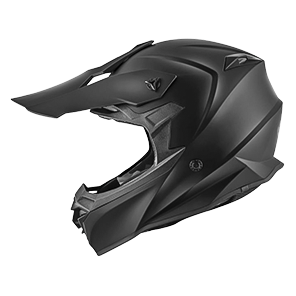
Motocross helmet Designed for motocross and pure off-road use, it does not feature a visor and is intended to be used with goggles. It is a specialist choice, not suitable for traditional road use.
Enduro helmet Designed for dual road and adventure use, it combines a peak and a visor. It is suitable for mixed on-road and off-road riding, offering greater versatility compared to motocross helmets.
2. How to choose the right helmet size?
To choose the correct size, always measure the head circumference in centimetres using a soft measuring tape, positioning it about one centimetre above the eyebrows and around the widest part of the head, and compare the value with the size guide shown in the helmet description.
Once worn, the helmet should fit snugly without moving on the head, while not causing pain or excessive discomfort. A helmet that is too loose does not provide effective protection, while one that is too tight can be uncomfortable and create pressure points during use.
Measurements and fit can vary not only between different brands, but also between different models of the same brand: for this reason, it is important to always refer to the size guide specific to the product, based on official manufacturer information.
3. Which certification must a motorcycle helmet have?
The certification currently in force for motorcycle helmets is ECE 22.06, which represents the most up-to-date safety standard. This regulation introduces stricter and more realistic tests than in the past, with a higher number of impact tests, checks on oblique impacts and a more accurate evaluation of helmet stability and its components.
Some models with ECE 22.05 certification may still be present in the catalogue. This refers to a previous regulation that is still valid for road use. These are generally older production models that nevertheless comply with the safety requirements established by law. All helmets sold on our e-commerce are approved for road use.
Some specific models may feature additional certifications, such as P/J approval, which indicates dual homologation of modular helmets in both open and closed configurations (not available on all modular helmets), and FIM certification, reserved for a limited number of helmets designed for sporting and competitive use.
4. Which helmet should you choose for daily use or long trips?
The choice of a helmet for road use mainly depends on how you use your motorcycle in everyday life and on the duration of your journeys.
For daily use and short trips, such as commuting or city riding, jet or demi-jet helmets are often preferred for their lightness, practicality and ease of use. Well-ventilated helmets that are quick to put on make frequent riding more comfortable, especially in traffic and during repeated stops.
For longer trips and extra-urban or motorway riding, many riders choose full-face or modular helmets, which offer greater protection, long-term comfort and better insulation from noise and external elements. A stable and comfortable helmet helps reduce fatigue during extended rides.
5. How often should a motorcycle helmet be replaced?
Under normal conditions of use, a motorcycle helmet should be replaced after about five years of use, even if it has not suffered any visible impacts. Over time, the internal materials may lose part of their protective properties.
A helmet should always be replaced after a fall or impact, even if there are no visible external damages. The stresses involved can compromise the internal structure of the helmet, reducing its effectiveness in the event of further impacts.
Factors such as frequent use and exposure to external elements can contribute over time to normal wear. For this reason, it is important to periodically check the overall condition, the integrity of the padding and the correct functioning of the retention system to continue using the helmet safely.
Select your motorcycle model and quickly search for compatible products by browsing the website.
Motorcycle helmets: safety, innovation and style
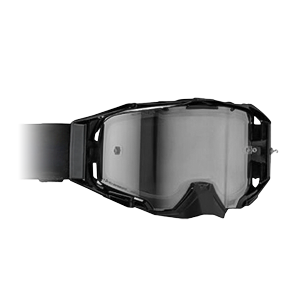
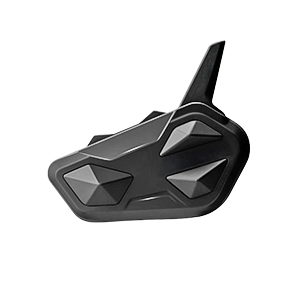
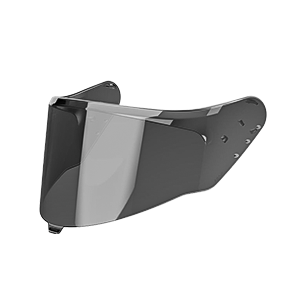
The Motorcycle Helmets category offers a complete range of solutions designed to meet every need on the road and off-road: from full-face and modular helmets to jet and demi-jet models, as well as motocross and enduro options. The selection also includes helmets for younger riders, motocross goggles, intercom systems, and numerous accessories and spare parts. Within the range, you will find the latest releases alongside attractive promotions, allowing you to choose the product that best suits your needs and budget. Leading brands such as BELL, SCHUBERTH, AIROH and NOLAN are available, alongside brands offering excellent value for money, ensuring a wide choice in terms of technology, comfort, design and level of protection.


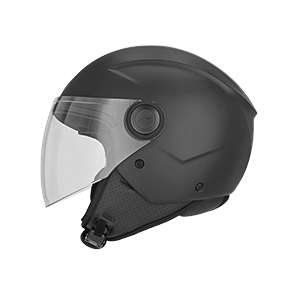

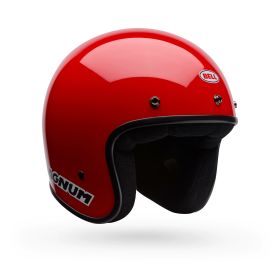
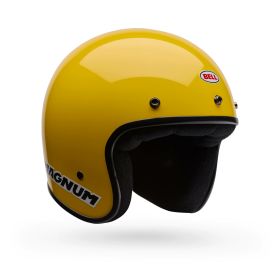
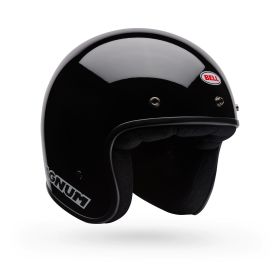
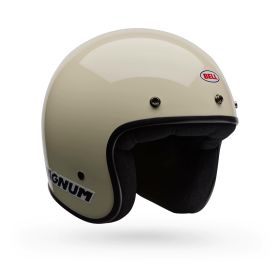 Jet Helmet Cafe Racer Bell Magnum Vintage White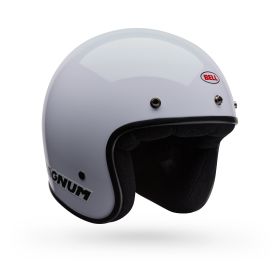
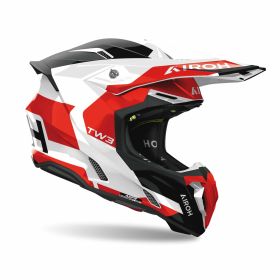 AIROH TWIST 3 FANCY glossy red motocross helmet
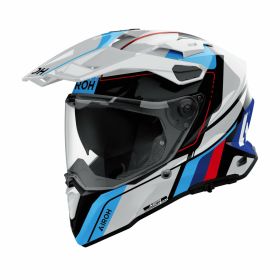 AIROH COMMANDER 2 SKIP Dual Road Enduro Helmet Glossy White/Red
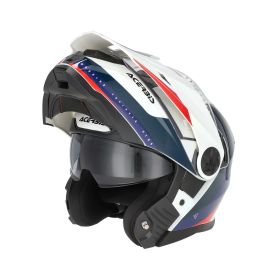 Modular helmet ACERBIS P/J Rider Graphic white/blue/red
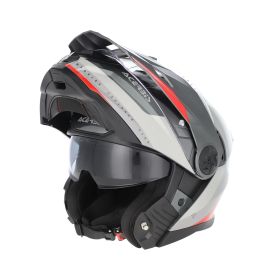 Modular helmet ACERBIS P/J Rider Graphic grey/red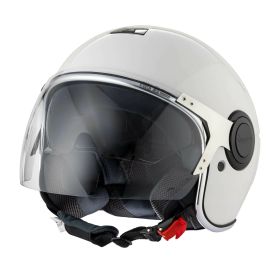
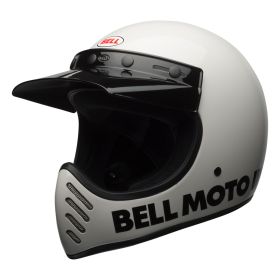 BELL Moto-3 Classic Dual road enduro helmet glossy white
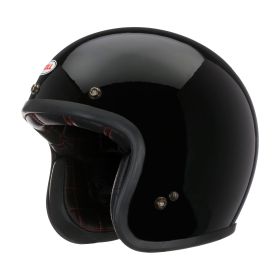 BELL Custom 500 Cafe racer jet helmet glossy black
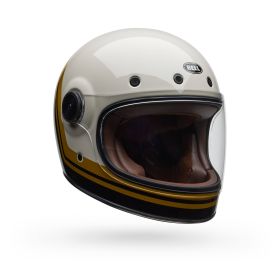 BELL Bullitt GT Wander Full-face helmet white black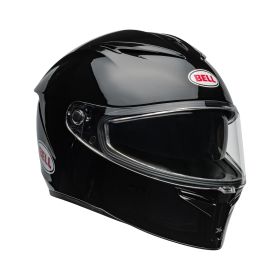
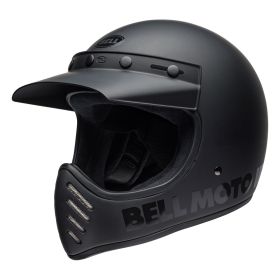 BELL Moto-3 Classic Dual road enduro helmet matte black
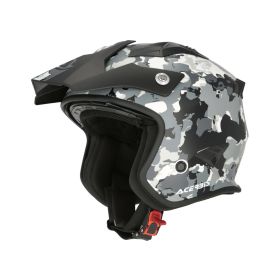 Jet helmet ACERBIS Jet Aria Sport grey/black
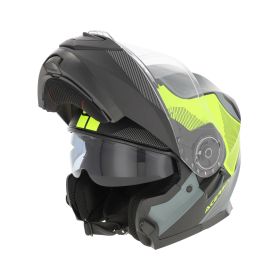 Modular helmet ACERBIS Serel 22-06 black/yellow fluo
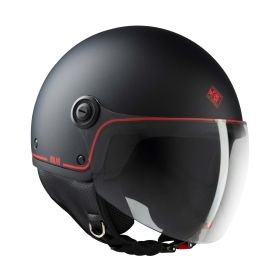 TUCANO URBANO EL'JETTIN AC Milan Skyline Demi-jet helmet matte black
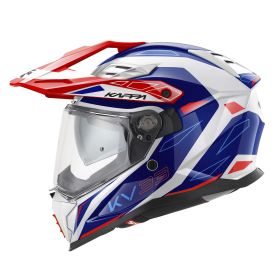 KAPPA KV33 Wizard Dual road enduro helmet white blue red
 Jet Helmet CGM 136X RNA PRO Street Carbon Yellow Fluorescent Matt
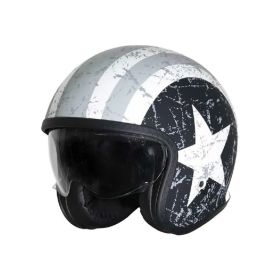 Casco Jet ORIGINE SPIRIT REBEL STAR grigio opaco
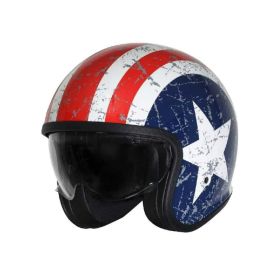 Casco Jet ORIGINE SPIRIT REBEL STAR blu/rosso lucido
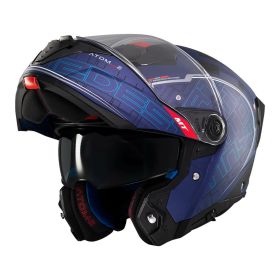 MT HELMETS ATOM 2 SV DESTINY C7 Matte Purple/Black Modular Helmet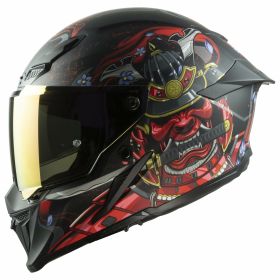
 Motocross Helmet MPH JUMPER MX TPR FACTORY White Black Red and Pro-Race Mask
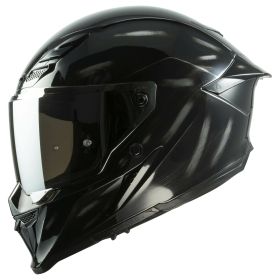 Full Face Helmet MPH BLADE Dark Jeans Black Silver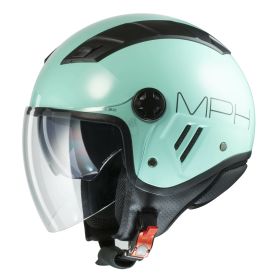
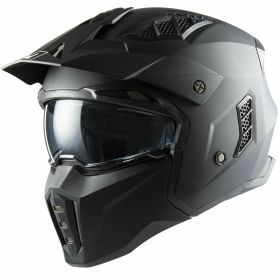 Modular Helmet Jet Trial MPH HARRIER Solid Black Matte
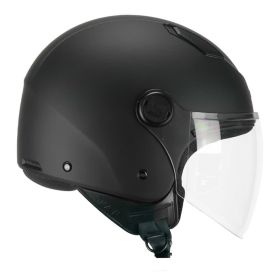 Demi Jet Helmet SKA-P 1LHA LUKE Mono Black Matt
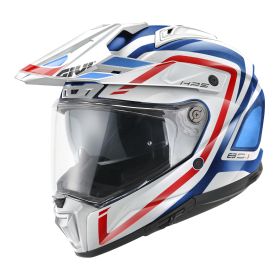 GIVI 80.1 Apex Dual road enduro helmet white blue red